

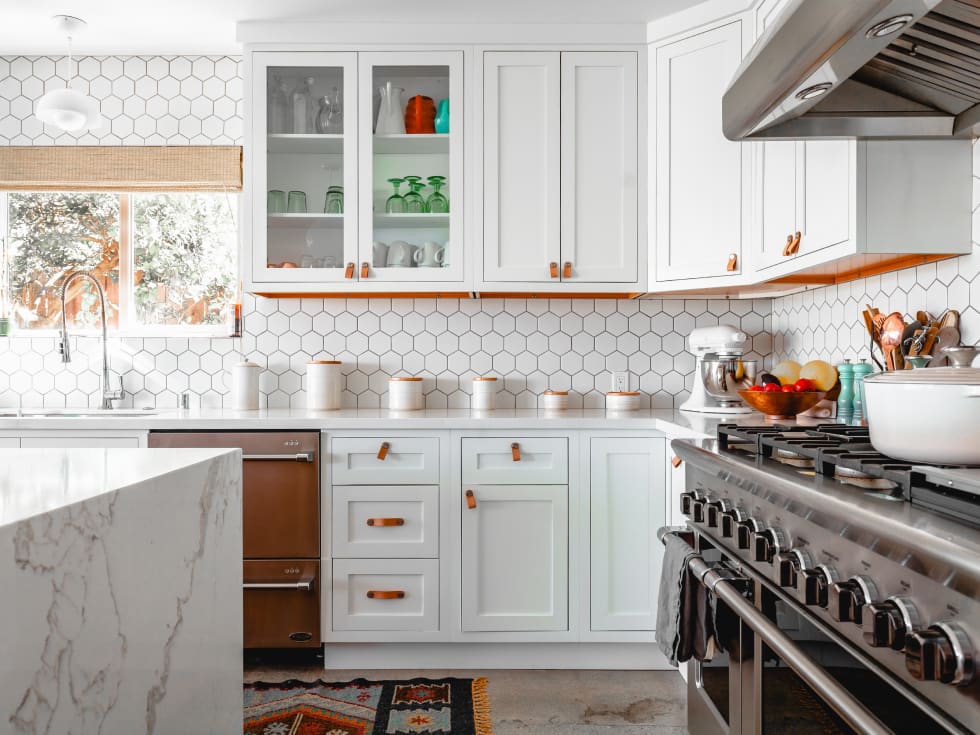
Cooking a nutritious home meal should be a satisfying and refreshing experience, yet for many people, it feels like an exhausting marathon. The primary culprit behind weeknight kitchen fatigue is rarely the recipe itself, but rather the friction caused by an unorganized workspace. Searching for misplaced spice jars, digging through chaotic drawers for a missing measuring spoon, and reshuffling heavy pots to reach a baking sheet burns precious energy and adds unnecessary time to every meal.
By transforming your kitchen into an efficient, streamlined workspace, you can eliminate wasted movement and reduce meal preparation time dramatically. Commercial kitchens rely on a concept known as mise en place, which translates to everything in its place. Applying smart spatial strategies to your home kitchen ensures that tools, ingredients, and cleanup supplies are immediately accessible right when you need them.
Establishing Work Zones for Seamless Meal Preparation
One of the most effective organization strategies is dividing your kitchen into dedicated activity zones. Instead of storing items based on where they happen to fit in empty cabinets, arrange your equipment according to where the specific tasks take place.
-
The Preparation Zone: Position this area on your primary counter space, ideally situated between the sink and the stove. Store chef knives, cutting boards, mixing bowls, measuring cups, and trash bowls directly above, below, or beside this workspace. Keeping prep tools within arm reach eliminates constant back-and-forth steps across the room.
-
The Cooking Zone: Surrounding the cooktop and oven, this zone should house your everyday pots, frying pans, spatulas, tongs, cooking oils, and core seasonings. When a skillet is hot, you should not have to walk across the kitchen to grab a wooden spoon or olive oil.
-
The Cleaning Zone: Centered around the sink and dishwasher, keep dish towels, scrub brushes, dish soap, and drying racks consolidated here. Storing everyday dinnerware and silverware near the dishwasher also makes unloading clean dishes effortless.
-
The Storage Zone: Reserve your pantry and refrigerator for raw ingredients, baking supplies, and canned goods. Grouping food items by category ensures you can audit inventory in seconds before heading to the grocery store.
Streamlining Spice and Oil Storage
Few things disrupt cooking momentum faster than hunting through a dark, cluttered cabinet for a single jar of cumin or garlic powder. Streamlining your spice collection and cooking fats speeds up flavor building substantially.
Transferring daily cooking oils, vinegars, and liquid seasonings into uniform, drip-free glass dispensers placed on a small tray beside the stovetop keeps surfaces clean and liquids ready for immediate pouring. For spices, avoid deep cabinets where bottles get lost behind one another. Instead, implement a shallow drawer organizer with angled tiers, or install a wall-mounted magnetic rack near your prep station.
Sorting spices alphabetically or grouping them by cuisine profile, such as Italian herbs, Mexican seasonings, or warm baking spices, reduces decision fatigue during busy dinner preparation. Decanting bulk spices into clear, matching jars with bold top-facing labels allows you to identify ingredients instantly from above when opening a drawer.
Maximizing Vertical and Cabinet Space
Standard kitchen cabinets often feature vast, tall spaces that go underutilized, forcing homeowners to stack items precariously. Utilizing vertical space converts awkward open areas into highly functional storage.
Tension rods or vertical pan dividers installed inside lower cabinets transform how you store flat items. Instead of stacking baking sheets, cutting boards, muffin tins, and serving platters horizontally, slide them in vertically like books on a shelf. This allows you to pull out a single sheet tray without disturbing or unstacking the rest.
Installing clear turntable lazy susans in deep corner cabinets or pantry shelves brings hard-to-reach items into view with a quick spin. They are ideal for grouping items like hot sauces, condiment bottles, baking extracts, or canned soups. Additionally, under-shelf wire baskets slide onto existing cabinet shelves to create an extra layer of storage for aluminum foil rolls, parchment paper, or flat dishcloths without requiring any power tools.
Organizing Utensils and Prep Tools by Frequency
Drawer clutter is a major time bandit in the kitchen. When drawer organizers are overloaded with rarely used gadgets, finding basic tools becomes a tedious chore. The solution lies in strict frequency-based categorization.
-
Top Tier Essential Drawer: Keep only the tools you reach for multiple times a week in your top primary drawer. Use modular, adjustable dividers to create individual channels for spatulas, tongs, silicone scrapers, a vegetable peeler, and a sturdy whisk.
-
Secondary Storage for Specialty Tools: Relocate single-purpose gadgets, such as cherry pitters, melon ballers, egg slicers, and holiday cookie cutters, to a higher cabinet shelf or a secondary lower drawer. These tools should never compete for prime real estate with your primary equipment.
-
Countertop Crocks versus Drawers: If drawer space is severely limited, place a heavy ceramic or stainless steel crock right next to the stove to hold high-frequency heat-safe utensils like metal tongs, wooden spoons, and slotted turners. Ensure the crock is not overstuffed, allowing tools to be drawn out effortlessly with one hand.
Pantry Management and Clear Container Systems
A chaotic pantry leads to duplicate grocery purchases, forgotten expired ingredients, and wasted prep time. Developing an organized pantry system ensures complete visibility and fast ingredient retrieval.
Decanting dry staples like rice, pasta, flour, sugar, oats, and dry beans into clear, airtight containers protects food from moisture and pests while providing an immediate visual metric of supply levels. Choose stackable square or rectangular containers rather than round jars to maximize shelf volume without wasting corner spaces.
Grouping smaller packaged items into clear, labeled pull-out bins prevents shelf scattering. Create dedicated bins for specific meal categories, such as a breakfast bin containing oatmeal and pancake mix, a snack bin for quick energy bars, or a dinner grain bin holding quinoa and couscous. When preparing a meal, simply pull out the entire bin, gather what you need, and slide it back in one movement.
Smart Storage for Pots, Pans, and Lids
Pots and pans are notoriously bulky, and their matching lids often create a chaotic mess inside lower cabinets. Solving pot and lid storage is one of the single greatest time savers for home cooks.
Avoid stacking frying pans directly inside one another without protective liners, as this damages non-stick coatings and causes loud, frustrating clattering when cooking. Instead, install heavy-duty pull-out organizer racks or vertical pan organizers that hold each pan on its own individual wire rung.
For lid organization, mount an over-the-door rack on the inside of a cabinet door, or use an expandable desktop file organizer placed inside a drawer. Storing lids vertically by size guarantees you can grab the exact lid for your sauce pot instantly without sifting through a noisy pile.
Maintaining a Garbage and Composting Efficiency Strategy
Prep work inevitably generates significant organic waste, including vegetable peels, onion skins, eggshells, and meat trimmings. How you manage scrap disposal directly impacts how fast you can clear your counters and finish cooking.
A practical habit used by professional chefs is keeping a dedicated trash bowl on the counter during prep work. As you peel potatoes, trim carrots, or chop onions, deposit all scraps directly into the bowl rather than making dozens of trips back and forth to the main trash bin. Once prep is complete, empty the scrap bowl into the compost or garbage in a single step.
If kitchen layout permits, install a pull-out double bin system under your primary prep counter for waste and recycling. Having smooth, hands-free or knee-push access to trash disposal keeps your hands clean and your cutting board completely clear for the next ingredient.
Frequently Asked Questions
How can you organize a small kitchen without adding permanent cabinetry?
You can expand storage capacity without permanent construction by installing vertical wall-mounted pegboards, hanging magnetic knife strips, or adding a mobile rolling kitchen cart with open shelving. Over-the-door hanging racks on pantry doors and adhesive heavy-duty utility hooks under cabinets also utilize empty surfaces effectively.
What is the most effective way to store awkward kitchen appliances like stand mixers and air fryers?
Heavy appliances used daily should remain on the countertop in secondary corner spaces so they do not block main prep counters. For appliances used less frequently, store them on sturdy, lower cabinet shelves equipped with slide-out appliance trays, or place them on an accessible baker rack nearby.
How often should a home cook audit and declutter their kitchen inventory?
A quick audit of open pantry items, refrigerated condiments, and spices should occur seasonally every three to four months. A full kitchen audit, including checking for damaged non-stick cookware, warped plastic containers, and duplicate utensils, is best performed once a year to keep storage space clean and efficient.
What are the best practices for storing fresh herbs so they stay usable longer during weeknight cooking?
Hardy herbs like rosemary and thyme should be wrapped loosely in a damp paper towel and stored inside a sealed bag in the refrigerator crisp drawer. Tender herbs like cilantro and parsley stay fresh longer when treated like flowers, with their stems trimmed and placed upright in a small glass of water inside the fridge door.
How do you prevent food storage containers and mismatched lids from creating drawer chaos?
Nest identical container bases inside one another by shape and store their matching lids vertically in a small wire organizer or basket right next to them. To prevent ongoing chaos, stick to one or two standardized glass or plastic container lines so lids are cross-compatible across multiple sizes.
What is the ideal counter space clearing strategy for maximizing prep surface area in a tiny kitchen?
Clear visual clutter by mounting paper towel holders, spice racks, and knife blocks onto the wall or under upper cabinets. Keep only the top three most used daily items on the counter, storing everything else inside cabinets or drawers so the main prep surface remains completely flat and open.
How can you organize refrigerator shelves to reduce food waste and speed up dinner preparation?
Store ready-to-eat foods and leftovers on top shelves where visibility is highest. Place raw meats and seafood on the lowest shelf inside a rimmed tray to prevent cross-contamination drips, and dedicate a specific upper drawer or clear bin labeled eat first for items nearing their expiration dates.

Comments are closed.