

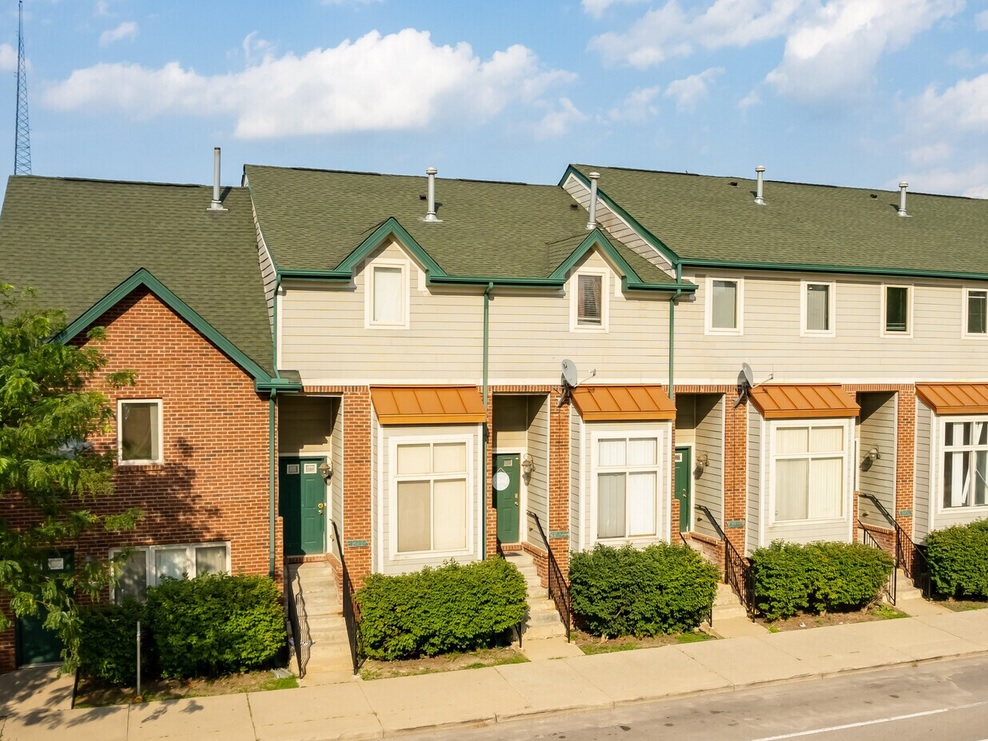
Finding safe and affordable housing can feel overwhelming when income is limited. In Michigan, many individuals and families struggle to balance rising housing costs with everyday expenses like food, healthcare, and transportation. The good news is that several housing assistance options exist across the state, designed to support people who meet specific eligibility requirements. Understanding how these programs work and how to qualify is the first step toward securing stable housing for the long term.
This guide explains who qualifies, what documents are required, and how housing for low income families in Michigan is structured. It also explores transitional housing programs in Michigan and how they fit into the broader housing support system.
Understanding Low Income Housing Assistance in Michigan
Low income housing assistance refers to programs that help eligible residents afford a place to live when their income falls below certain limits. These programs are typically supported by state agencies, local housing authorities, and nonprofit organizations. Their main goal is to reduce housing insecurity and prevent homelessness while promoting long term stability.
Housing assistance can take many forms, including rental support, income based housing communities, and temporary housing combined with supportive services. Each program has its own rules, but most share similar eligibility criteria related to income, household size, and residency.
Who Is Considered Low Income in Michigan
Income Limits and Household Size
Eligibility for housing assistance in Michigan is usually determined by comparing household income to the area median income. This median income varies by county and household size. In general, households earning a percentage below the local median income may qualify for assistance.
For example, a single adult may qualify at a lower income threshold than a family of four. Larger households are allowed higher income limits, recognizing the increased cost of living for additional family members. Housing authorities update these limits regularly, so it is important to check the most current figures when applying.
Residency and Citizenship Requirements
Most housing programs require applicants to live in Michigan or plan to reside in the community where assistance is offered. Proof of residency may include a lease, utility bill, or official mail.
Citizenship or an eligible immigration status is also commonly required. Some programs may assist mixed status households, but documentation is typically needed for at least one qualifying member of the household.
Types of Housing Assistance Available
Income Based Rental Assistance
Income based rental assistance helps reduce monthly rent costs by adjusting payments according to household income. Participants usually pay a portion of their income toward rent, while the remaining amount is covered through assistance funds.
This option is widely used for housing for low income families in Michigan, especially in urban and suburban areas where rental costs are high. Waiting lists are common, so applying early can improve your chances.
Publicly Supported Housing Communities
Some housing options involve living in properties specifically designated for low income residents. These communities often have income limits and require tenants to recertify their income periodically. They may offer additional benefits such as on-site management and access to local resources.
These housing options are often well suited for families, seniors, and individuals with disabilities who need stable and predictable housing costs.
Emergency and Short Term Housing Support
Emergency housing assistance is designed for people facing immediate housing crises, such as eviction or unsafe living conditions. This type of support may include temporary rent help, security deposit assistance, or short term shelter.
While emergency support is usually time limited, it can provide crucial relief while applicants work toward more permanent housing solutions.
Transitional Housing Programs and Their Role
What Transitional Housing Offers
Transitional housing programs in Michigan are designed to help individuals and families move from homelessness or unstable living situations into permanent housing. These programs typically offer temporary housing combined with supportive services like job training, financial counseling, and mental health support.
The focus is not only on providing shelter but also on helping participants build the skills and stability needed to maintain housing independently.
Who Can Qualify for Transitional Housing
Eligibility for transitional housing often includes people experiencing homelessness, survivors of domestic violence, young adults aging out of foster care, and individuals recovering from substance use or incarceration. Income requirements may be flexible, but participants are usually expected to work toward self sufficiency during their stay.
Because these programs are structured and goal oriented, applicants may need to participate in case management or personal development plans as part of their qualification process.
Key Documents Needed to Apply
Proof of Income
Applicants must provide documentation showing all sources of income. This may include pay stubs, benefit statements, or letters from employers. Accurate income reporting is critical, as eligibility and rent calculations depend on this information.
Identification and Household Information
Most programs require government issued identification for all adult household members. Birth certificates or school records may be needed for children. You may also need to provide documentation confirming family relationships or guardianship.
Rental and Housing History
Some housing authorities request information about previous housing situations. This can include landlord references or records of past evictions. While a challenging housing history does not always disqualify an applicant, transparency is important.
How to Apply for Housing Assistance in Michigan
Contact Local Housing Authorities
Local housing authorities manage many housing assistance programs. Each authority has its own application process and waiting lists. Applications may be submitted online, by mail, or in person, depending on the location.
It is helpful to apply to multiple programs if possible, as this can increase your chances of receiving assistance sooner.
Work With Community Organizations
Nonprofit organizations and community action agencies often help residents navigate the application process. They can explain eligibility rules, assist with paperwork, and connect applicants to additional resources.
These organizations are especially helpful for people applying for transitional housing programs in Michigan or those facing complex situations.
Common Reasons Applications Are Denied
Incomplete or Inaccurate Information
Missing documents or incorrect income details are among the most common reasons applications are delayed or denied. Double checking all forms before submission can prevent unnecessary setbacks.
Income Above Program Limits
Even if income feels limited, it may exceed the specific thresholds for certain programs. If this happens, applicants may still qualify for other types of assistance or housing options with higher income limits.
Past Housing Issues
Some programs consider rental history, including evictions or unpaid balances. While this does not always lead to denial, it may require additional review or explanation.
Tips for Improving Your Chances of Approval
Apply Early and Follow Up
Waiting lists can be long, especially for popular housing programs. Applying as soon as applications open and following up regularly can help ensure your application stays active.
Keep Documents Updated
Income and household situations can change. Reporting updates promptly helps avoid disqualification and ensures you receive the correct level of assistance.
Seek Guidance When Needed
Housing applications can be complex, especially for first time applicants. Seeking help from housing counselors or community organizations can make the process smoother and less stressful.
Building Long Term Housing Stability
Qualifying for housing assistance is an important milestone, but long term stability involves planning and support. Many programs encourage residents to improve financial literacy, build savings, and increase income over time.
By taking advantage of available resources, families and individuals can move toward greater independence and security. Housing for low income families in Michigan and transitional housing programs in Michigan are designed not only to provide shelter but also to create pathways toward a more stable future.
Understanding the qualification process empowers applicants to take informed steps and make the most of the housing support available across the state.

Comments are closed.