

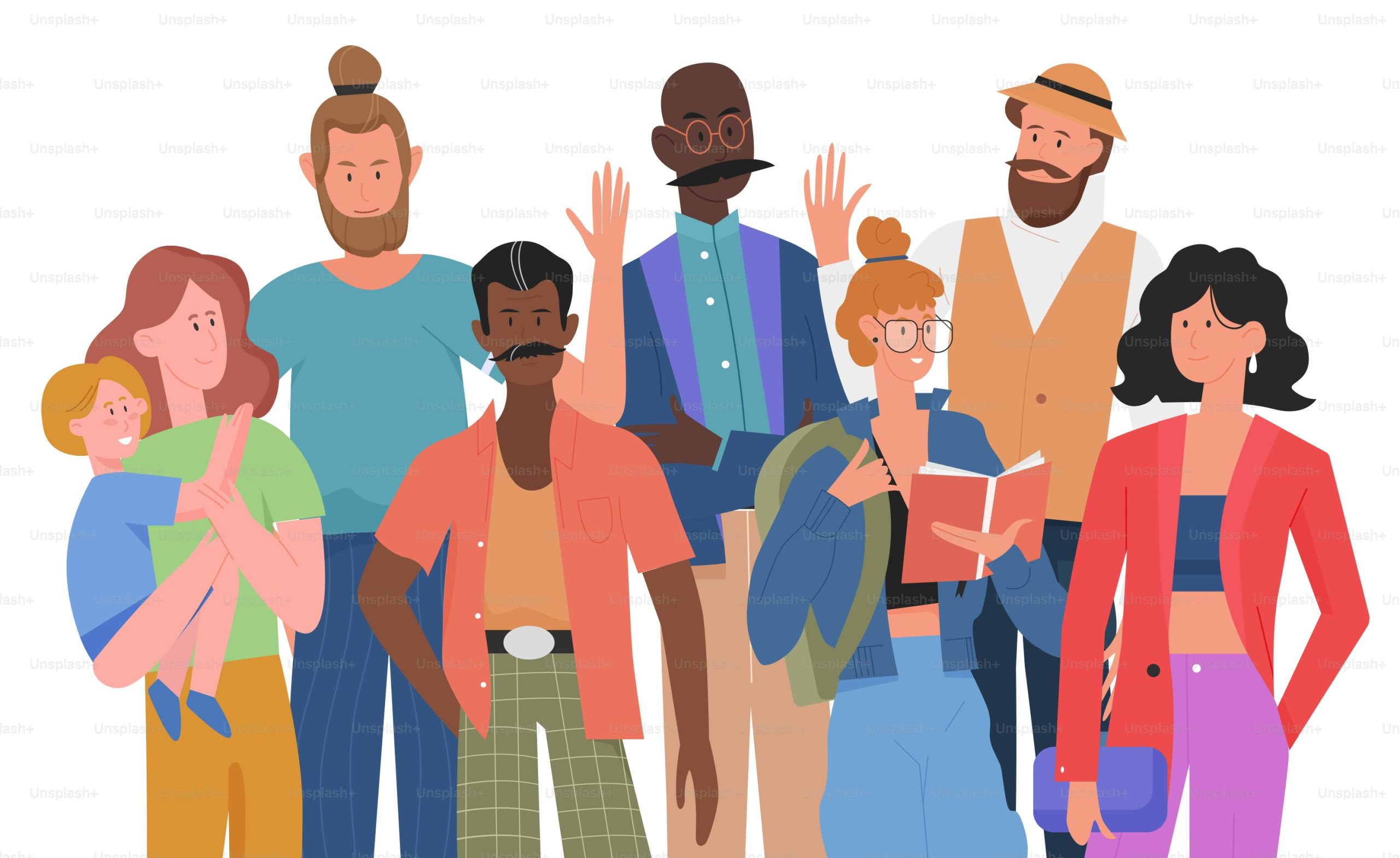
Society is a living system—shaped by people, institutions, beliefs, and shared experiences. As the world becomes increasingly interconnected, the forces influencing how we live, interact, and think continue to evolve. Understanding these changes helps us make sense of our present and prepare for the future.
The Changing Nature of Human Communities
Modern society is characterized by rapid transformation. Traditional concepts of community, identity, and social roles are shifting as new dynamics emerge.
The Rise of Urban Living
Urbanization has become a defining phenomenon. Cities now accommodate the majority of the global population, offering opportunities for employment, innovation, and cultural exchange.
-
Increased access to education and healthcare
-
More diverse social interactions
-
Faster adoption of new technologies
However, urban life also brings challenges such as overcrowding, environmental pressure, and socioeconomic inequality.
Digital Communities and Virtual Interaction
Technology has given rise to online communities that transcend physical boundaries.
-
People connect through shared interests rather than geography
-
Social networks influence public opinion and culture
-
Virtual collaboration reshapes workplaces and social groups
Yet, these digital spaces can also contribute to misinformation, polarization, and reduced face-to-face interaction.
Cultural Shifts Shaping Society
Increasing Diversity and Inclusion
Modern societies are embracing broader definitions of identity. Movements advocating for gender equality, racial justice, and LGBTQ+ rights have reshaped public discourse.
This shift encourages:
-
More inclusive workplace environments
-
Greater representation in media and politics
-
A cultural landscape that values authenticity and empathy
Evolving Family Structures
Family units are changing as well.
-
Single-parent households
-
Multi-generational living
-
Delayed marriage and parenthood
These transformations reflect economic realities, personal choice, and new social norms.
Technology as a Driving Force
Automation and the Future of Work
Automation and artificial intelligence are redefining career landscapes.
-
Routine tasks increasingly handled by machines
-
Demand rising for creative, analytical, and technological skills
-
Workplace flexibility becoming standard
While these advancements improve efficiency, they also raise concerns about job displacement and the need for widespread reskilling.
Information Accessibility
The digital age has democratized access to knowledge.
-
Anyone can learn new skills online
-
Educational barriers are lowering
-
Public awareness of global issues is rising
However, the challenge remains: distinguishing accurate information from unreliable sources.
Social Values in Transition
Environmental Consciousness
Climate change has become a central societal concern.
-
Sustainable living practices
-
Shifts toward renewable energy
-
Global environmental agreements
Individuals and institutions alike are rethinking consumption and resource use.
Mental Health Awareness
Modern society is increasingly acknowledging the importance of mental well-being.
-
Reduced stigma around therapy and counseling
-
Workplace wellness programs
-
Greater public conversation on emotional resilience
This reflects a shift toward prioritizing quality of life alongside productivity.
The Role of Institutions in Modern Society
Governance and Civic Engagement
Citizens today demand more transparency, accountability, and participation.
Digital platforms allow people to voice opinions, mobilize communities, and engage in public debate more easily than ever before.
Education as a Catalyst
Education remains a cornerstone, but its structure is evolving.
-
Competency-based learning
-
Lifelong education models
-
Global learning communities
These changes prepare individuals to navigate an unpredictable future.
What the Future Holds for Society
As global challenges grow more complex, collaboration becomes essential. Modern society is moving toward models built on cooperation, innovation, and shared responsibility. The direction we take will depend on how effectively we balance progress with equity, technology with humanity, and individual interests with collective well-being.
FAQ
1. What factors most strongly influence modern society today?
Technology, globalization, cultural diversity, and shifting economic structures are among the most impactful forces shaping contemporary society.
2. How has globalization changed everyday life?
It has increased cultural exchange, improved access to goods and services, and expanded economic opportunities while also introducing challenges such as job competition and cultural homogenization.
3. Why is diversity important in modern communities?
Diversity fosters innovation, broadens perspectives, enriches cultural life, and promotes social resilience.
4. How is technology affecting social relationships?
It enables constant connectivity and global interaction but can reduce face-to-face communication and contribute to social isolation if not balanced.
5. What role does education play in societal development?
Education equips individuals with critical skills, encourages civic participation, and supports economic growth, making it foundational to societal advancement.
6. What challenges do urban societies face?
Urban areas struggle with issues such as congestion, housing shortages, pollution, and widening socioeconomic gaps.
7. How can individuals contribute to a healthier society?
Engaging in community service, practicing empathy, staying informed, supporting sustainable practices, and promoting inclusivity all strengthen social well-being.

Comments are closed.